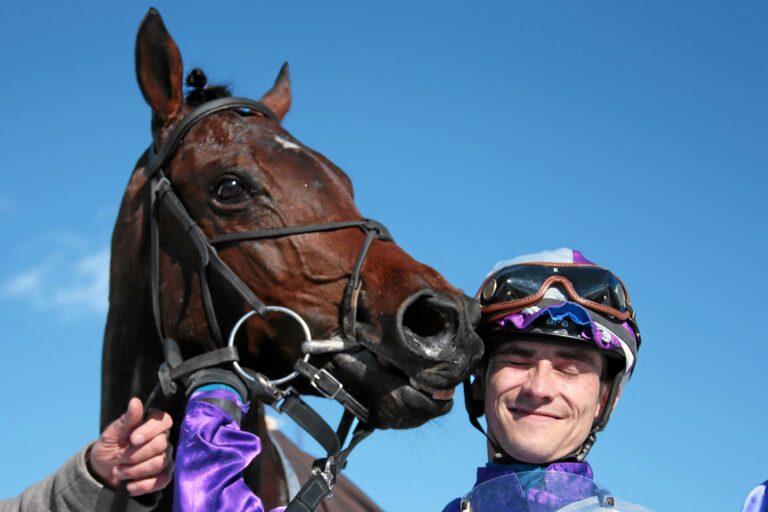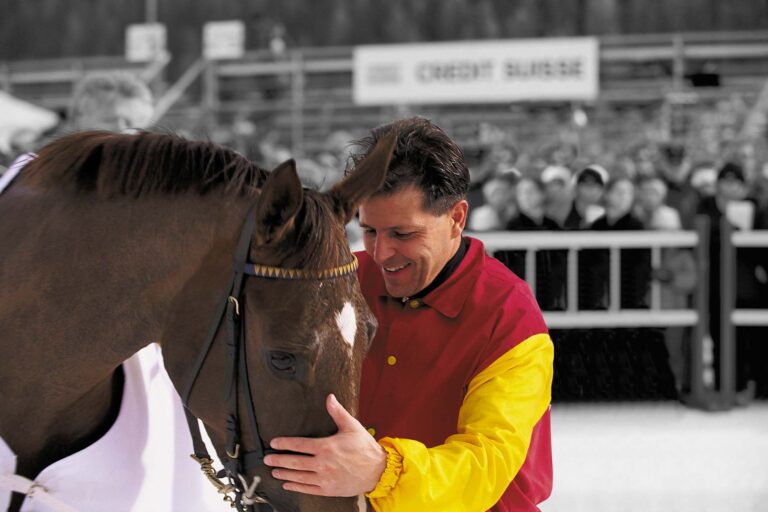
Miroslav Weiss has shaped Swiss horse racing like no other. In September 2025, he announced that after around 45 years in the service of the sport, he would be retiring. This marks the end of an era. But before the curtain falls, all eyes are once again on the frozen Lake St. Moritz—the place where he wrote history.
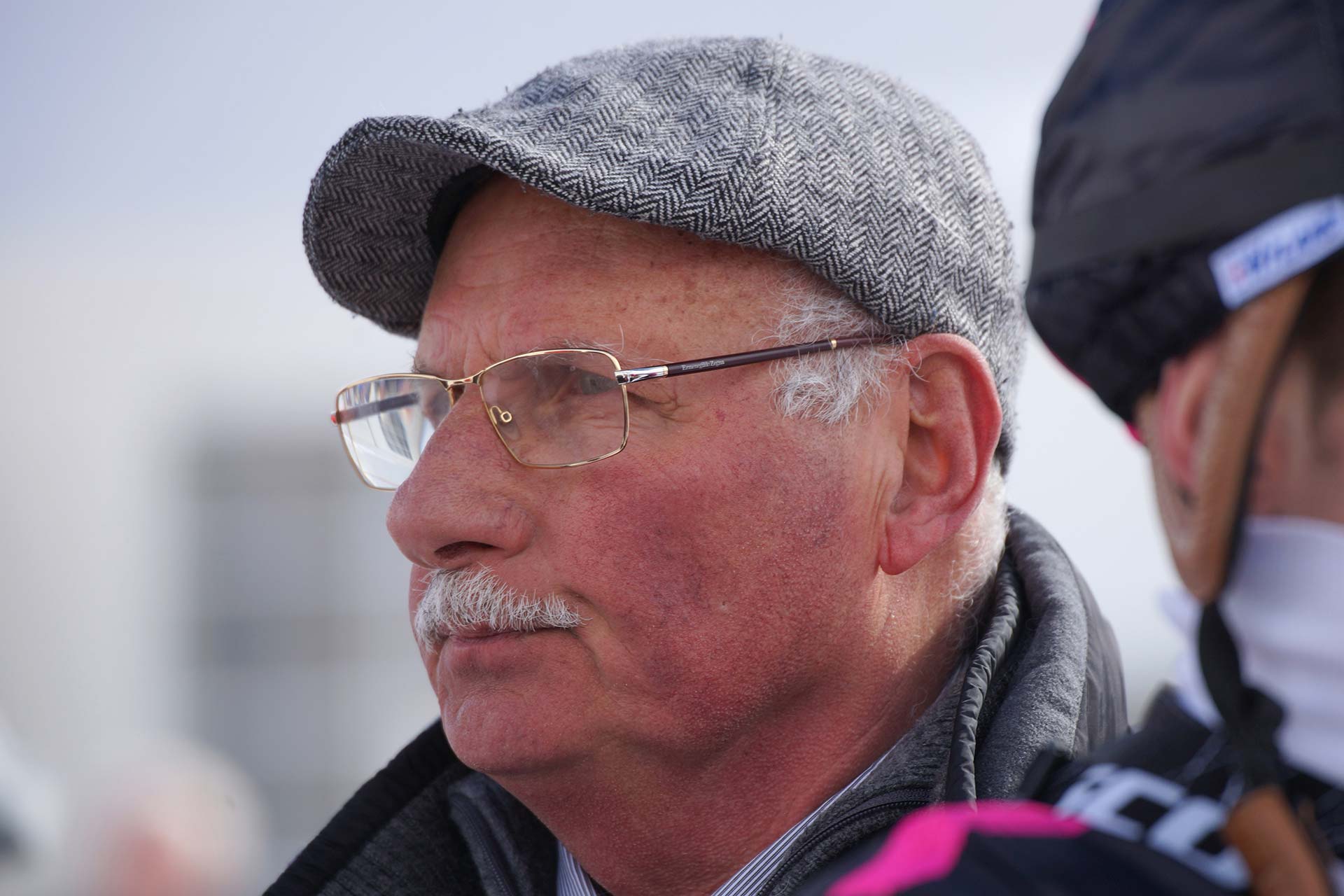
Photos:
Nathalie Vorburger/www.horseracing.ch
Scarlett Schär/www.horseracing.ch
From Stall Beliar to Record Breaker
Miroslav Weiss originally hails from the former Czechoslovakia (now Slovakia) and came to Switzerland in 1968. Stall Beliar in Urdorf was founded in 1970—in the early years still as a small family business. Miroslav Weiss was initially active as an amateur jockey and show jumper before he concentrated entirely on training thoroughbreds and took over responsibility as a trainer in 1981.
Over the decades, he transformed Stall Beliar into the most significant private flat racing training operation in Switzerland. His success is based not only on the number of horses but also on constant top performance: Weiss is a multiple champion among Swiss trainers—achieving 26 trainer championships alone. In his long career, his horses have won over 1,000 victories. Furthermore, he also won abroad, for example in Germany with "Goracij" in the traditional Group III Oleander Race in Baden-Baden.
His commitment was extraordinary: He often bet early on exciting acquisitions from Eastern Europe and Russia, used contacts that many initially considered risky, and often proved to have a lucky hand. Weiss had selected and bought over 90% of his winners himself.
The King of White Turf
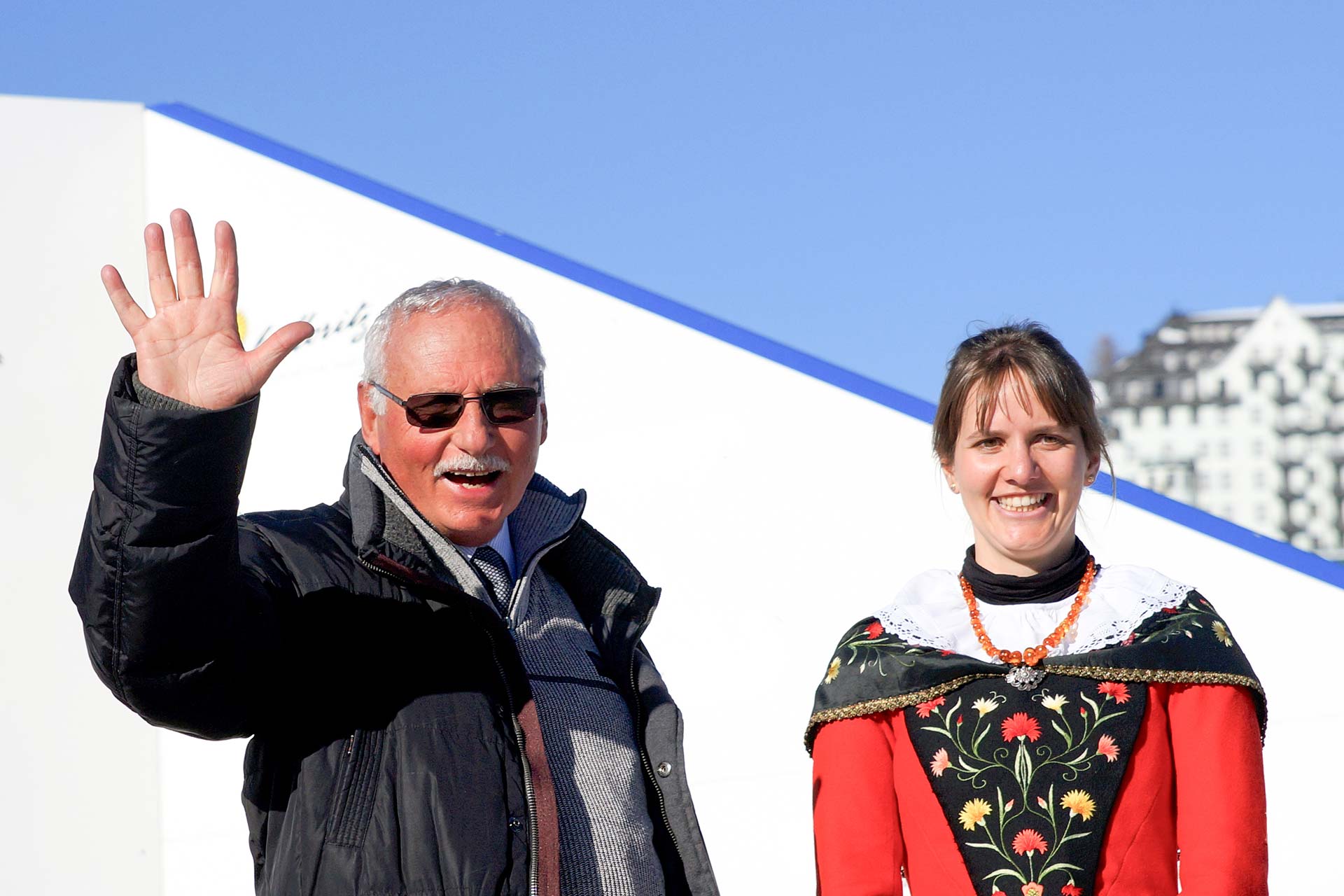
Races on snow and ice place the highest demands on horse and human. Early in his career, Weiss made his mark at snow meetings: In 1986, he achieved the first of many victories with Raga Beauty under René Kaderli.
To date, an incredible 98 White Turf victories are on the books, 27 of them in Skikjöring and 71 in flat and hurdle races. This makes Weiss the most successful trainer in White Turf history. His horses regularly competed in the Grand Prix of St. Moritz. He celebrated victories with Treasure Bill (1995), Song of Victory (2009), Fabrino (2015), and Nimrod (2018), among others.
He achieved a particular sensation in 2009 when he won with Song of Victory and his other starters Collow and Vlavianus took second and third places—a complete podium sweep for Weiss. Snow is an extreme discipline—and every rank under these conditions counts all the more. The repeated presence of his stable at the snow races over decades is proof enough of his ambition and steadfastness.
The Finale: Aiming for 100
With a successful White Turf 2026, the magical barrier of 100 victories could be broken for the first time. Only two successes are missing. It would be the crowning glory of an unparalleled career.
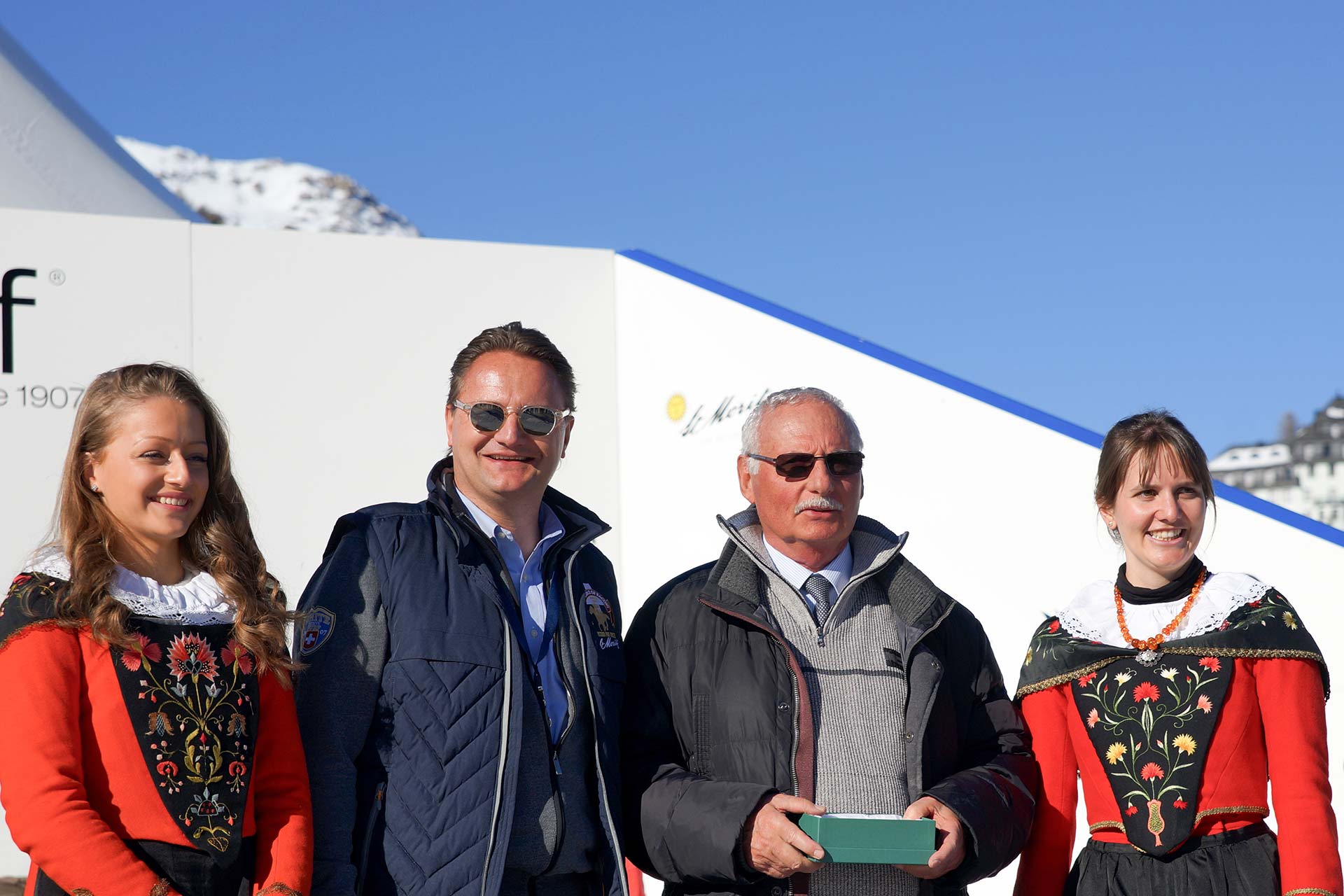
Successes and Legacy
When honoring Miroslav Weiss's life's work, several aspects stand out. Above all, there is his consistency at the top. Few trainers achieve and maintain peak performance over decades, yet Weiss managed to be a contender year after year. Furthermore, he is considered a pioneer of international networking. Through his contacts in England, Ireland, France, Slovakia, the Czech Republic, and Russia, he imported, trained, and integrated horses, thereby enriching Swiss flat racing.
Another characteristic is his loyalty to White Turf. Despite the special challenges, Stall Beliar was present on the frozen lake every year. This presence was a quiet but powerful signal: here, it’s not just about who wins, but who can endure. Many younger trainers have followed his work—his discipline, his dedication to the horse, and his endurance continue to resonate. His retirement marks the moment to pause and reflect on how much one person can shape a sport.
Outlook and Gratitude
Miroslav Weiss's work lives on—in the horses he trained, in the people he influenced, and in the spirit of racing in Switzerland. The snow meeting in St. Moritz was just one stage where his pride and expertise became visible.
May his name continue to be spoken with respect—not only as the man who trained horses for 45 years but as one who brought passion to racing, who built bridges between countries and disciplines, who mastered highs and lows with sovereignty, and who was a role model for many.